
Residential Tree Services Checklist for Yakima Homeowners: Spring & Fall 2026
Yakima, WA, homeowners need a clear seasonal plan to keep their trees healthy through the region's dry summers, cold winters, and unpredictable spring winds. This guide covers the most important residential tree services tasks to complete in spring and fall 2026. Whether you have fruit trees in a Selah backyard, mature pines near Union Gap, or ornamental maples on a Naches-area property, a structured seasonal checklist can prevent costly problems before they start. Call Trickinnex Tree Trimming & Falling LLC at (509) 945-4389 or (509) 653-1937 to schedule your seasonal visit today.
Why Yakima's Climate Makes Seasonal Tree Care Essential
Yakima trees face a tough environment. The region runs semi-arid, with hot, dry summers and cold winters that swing hard between seasons. Spring often brings lingering dryness followed by warm winds that can snap weakened branches. Fall is your last chance to set trees up for winter survival before freezing temperatures arrive. Building a seasonal routine around residential tree services in Yakima, WA, protects your investment and your property.
Spring 2026 Tree Care Checklist for Yakima Homeowners
Step 1 - Inspect Trees After Winter
Walk your property and look at every tree closely. Check for broken or hanging branches left behind by winter winds or snow loads. Look at the bark for cracks, soft spots, or unusual discoloration, which can signal winter damage or early disease. Check the base of each tree for fungal growth, which sometimes appears as mushrooms or soft, wet wood. Early detection is far easier to address than a problem caught late in the season.
Step 2 - Time Your Spring Trimming Correctly
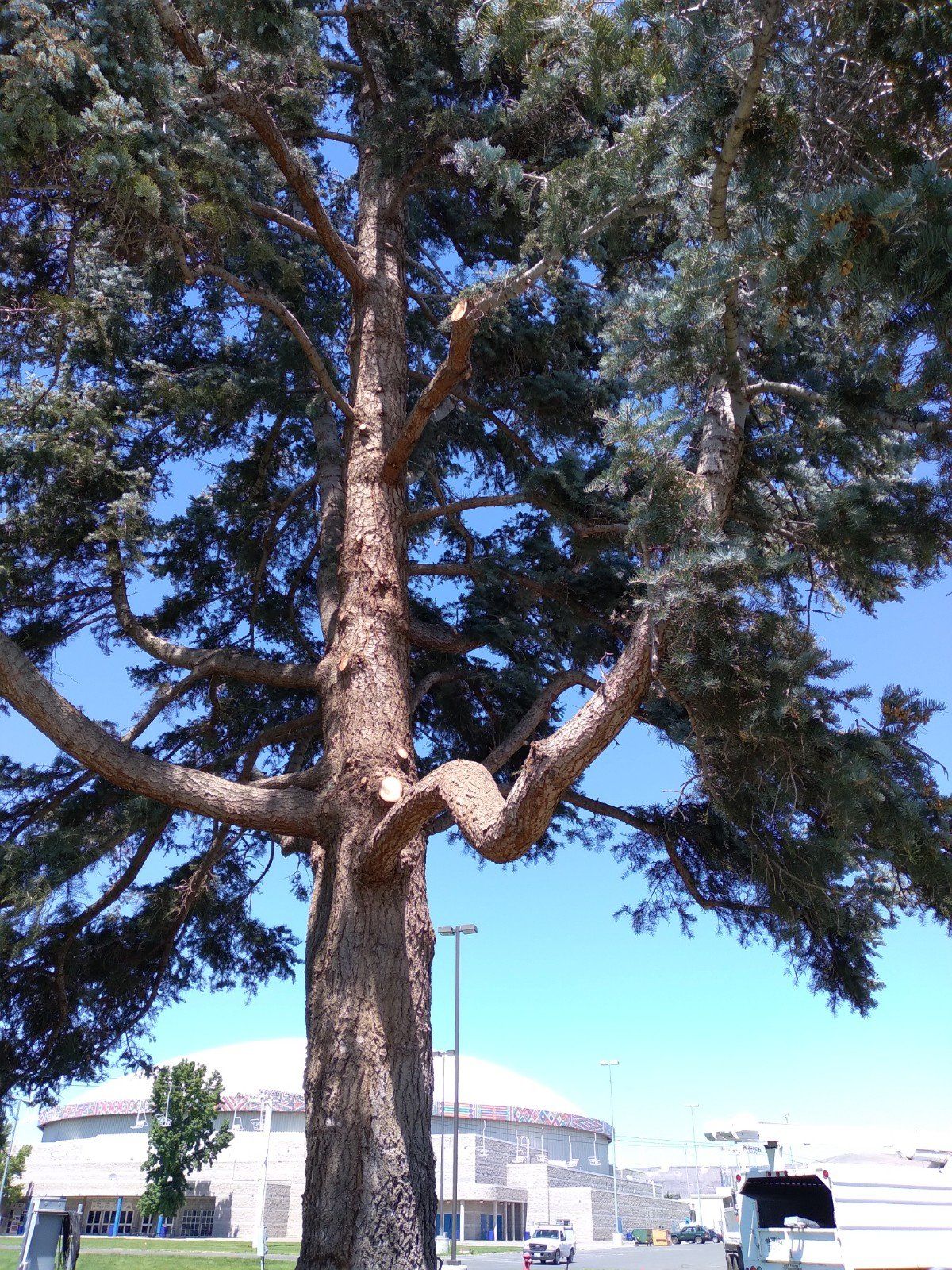
For most deciduous trees in Yakima, late winter through early spring while trees are still dormant is the best window for trimming. Once active growth begins, pruning can invite pests and disease into fresh wounds. Focus on removing dead, damaged, or crossing branches, and avoid removing more than about one-quarter of the canopy at once. For fruit trees, common throughout Yakima's residential neighborhoods, light spring pruning supports healthy yields, but timing varies by variety. Visit our professional trimming<https://www.trickinnex.com/professional-trimming> page to learn more.
Step 3 - Check for Early Pest Pressure
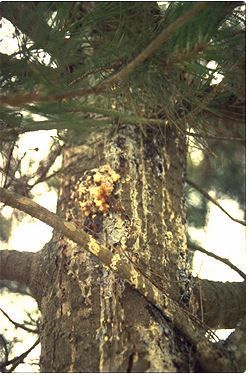
In Yakima County, pitch moth is a known concern for pines and conifers. Look for masses of hardened resin on the bark, which can indicate larvae feeding below the surface. Aphids, bark beetles, and borers may also appear as temperatures climb. Catching pest activity in spring gives you the best chance of managing it before populations grow through summer.
Step 4 - Set Up Your Irrigation Plan
Yakima averages well under 10 inches of rainfall per year. Deep, infrequent watering is generally more effective than frequent shallow watering, as it encourages roots to grow deeper into the soil. Young and newly planted trees may need more frequent attention. Avoid watering right at the trunk base, and keep soil moist but not waterlogged.Fall 2026 Tree Care Checklist for Yakima Homeowners
Step 1 - Do a Pre-Winter Inspection
Before leaves finish dropping, look each tree over for signs of disease or pest damage that built up over summer. Watch for unusual spots on leaves, early yellowing, patches of missing bark, or sunken discolored areas. These can indicate cankers, powdery mildew, or insect activity. Addressing problems now can stop them from spreading during the dormant months.
Step 2 - Prune for Safety Before Winter Storms
As trees enter dormancy, they tolerate pruning well. Remove dead, diseased, or structurally weak branches that could become hazards under snow or ice. Yakima does see heavy snow and freezing rain, and overloaded branches can break against structures, vehicles, or power lines. If any limbs hang near your roof or fence line, call a professional. You can also review our page on residential tree services in Yakima, WA<https://www.trickinnex.com/residential-tree-services-yakima-wa> to see what a full-service visit covers.
Step 3 - Mulch Around the Base of Your Trees
Apply a two-to-three inch layer of organic mulch, such as wood chips, around the base of each tree. Keep mulch a few inches away from the trunk to prevent rot. Mulching insulates roots from freezing temperatures, retains soil moisture, and reduces weed competition. This one step can make a noticeable difference for younger or recently planted trees through winter.
Step 4 - Water Before the Ground Freezes
A deep watering before the ground freezes, especially for evergreens and newly planted trees, helps them maintain moisture reserves through the cold season. Dry winters can stress conifers in particular, leading to needle browning in early spring. A good fall soak reduces that risk considerably.
Step 5 - Plan Any Removals Before Spring
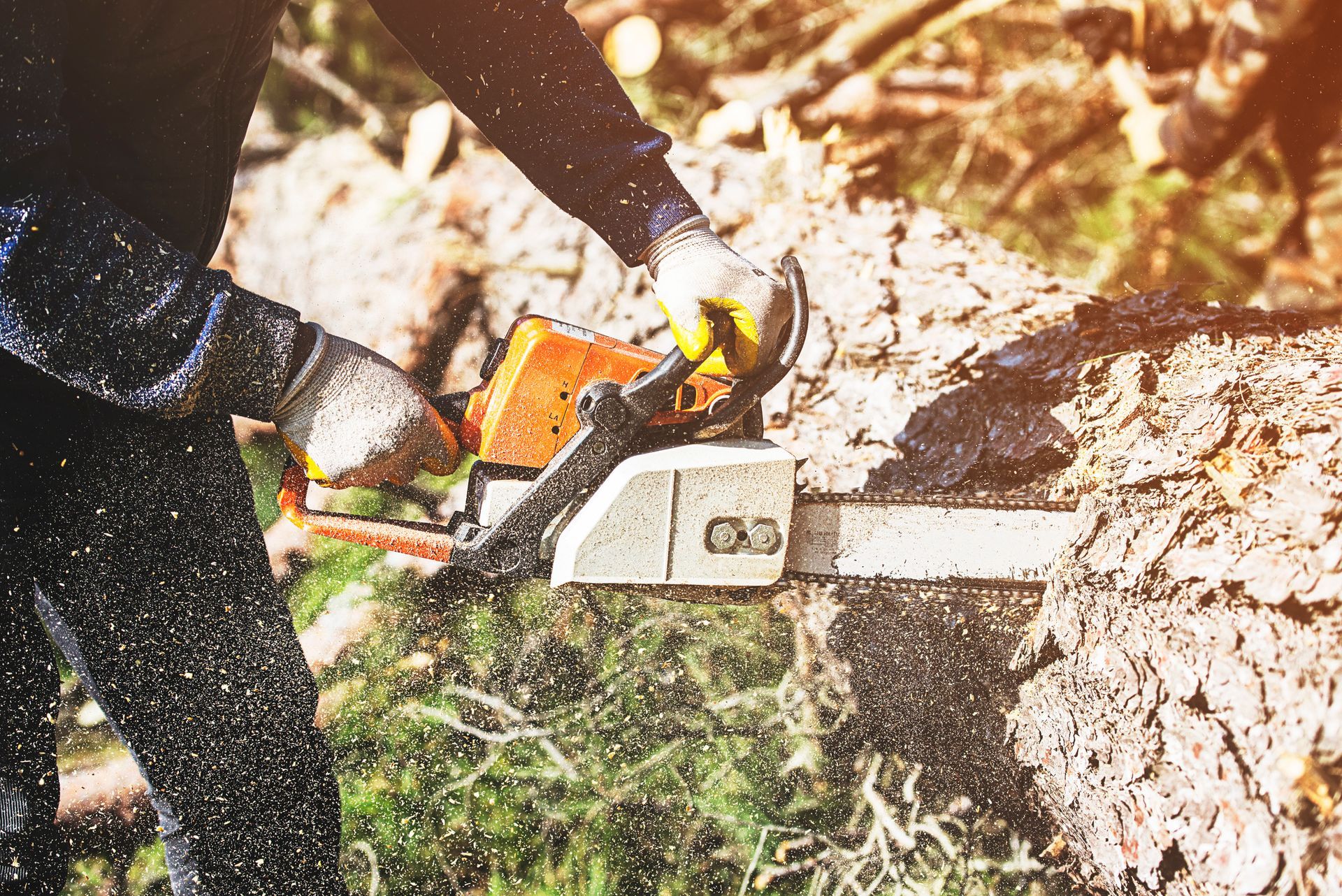
Fall is a practical time to assess trees that may need removal. A tree showing significant structural failure, major disease, or serious pest damage may not recover. Scheduling removal in fall or early winter while trees are dormant is often more efficient and causes less disruption to your yard. Scheduling this as part of your broader residential tree services plan keeps your property on track heading into the new year. See the signs a tree needs removal in Yakima, WA for guidance on what to watch for.
Get Professional Help This Season in Yakima
Staying on top of seasonal tree care is one of the best things a homeowner can do for their property. Trickinnex Tree Trimming & Falling LLC serves Yakima, WA, and surrounding communities with residential tree services including trimming, removal, and stump grinding. Request an estimate or call (509) 945-4389 or (509) 653-1937 to talk through what your trees need this season. Look up Trickinnex Tree Trimming & Falling LLC on Google Maps for business details and location information.