
Best Time of Year for Residential Tree Services in Yakima, WA
Timing is everything in tree care. Homeowners can get better results from residential tree services in Yakima, WA, by scheduling work around the local climate and natural growth cycles. The Yakima Valley sits in a semi-arid basin shaped by hot, dry summers, cold winters with regular frost, and variable wind patterns. Understanding how these conditions affect tree health helps you plan smarter, protect your property, and get more value from every service call.
Why Yakima, WA's Climate Makes Seasonal Timing So Important
Yakima, WA's climate directly determines which tree care tasks are safe and effective in any given month. The city sees wide temperature swings, with average highs near 90°F in July and average lows around 24°F in December. Annual rainfall averages just 9 to 11 inches, making this one of the driest urban areas in Washington State. That low moisture, combined with freeze-thaw cycles and intense summer heat, can help or harm a tree depending on when work is done.
Pruning cuts made at the wrong time may leave trees vulnerable to disease, pest pressure, or heat stress. Choosing the right provider for residential tree services in Yakima, WA, means finding a team that understands these seasonal windows and plans accordingly.
Season-by-Season Breakdown for Residential Tree Services in Yakima, WA
Winter: The Dormant Season Sweet Spot
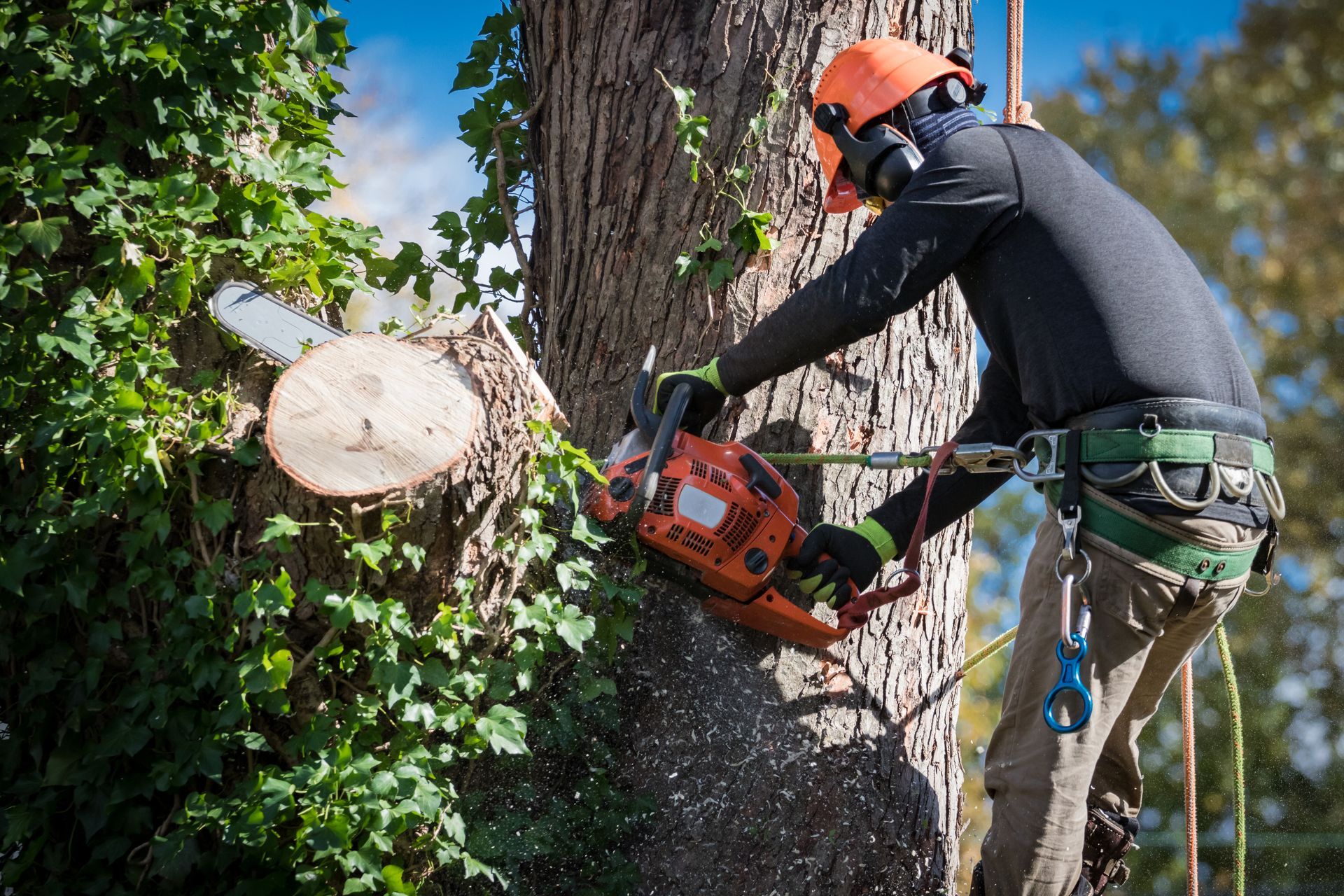
Late winter is widely regarded as the best window for trimming most deciduous trees. When trees are dormant, the worst cold has typically passed, reducing frost damage risk to fresh cuts while still allowing shaping before spring growth begins. Bare branches make it easier to spot structural problems, crossing limbs, and disease. For Yakima, WA, homeowners, scheduling professional trimming between late January and early March puts trees in the best position for the growing season ahead.
Spring: Managing New Growth Before It Gets Out of Hand
Spring in Yakima, WA, brings fast growth. Trees not trimmed in late winter can push out aggressive new shoots quickly. Light corrective trimming in early spring, before the canopy fills in, helps maintain structure and prevents branches from encroaching on rooflines, fences, or utility lines. This is also a good time to remove winter-damaged limbs that cracked under snow or ice load.
Spring is not ideal for heavy structural work on most species, but it is useful for cleanup and hazard assessment. Scheduling residential tree services in Yakima, WA, during early spring ensures storm damage gets addressed before new growth masks problems.
Summer: Heat, Drought Stress, and Hazard Removal
Yakima, WA, summers are hot and essentially rain-free, with July and August receiving nearly zero precipitation. Drought-stressed trees can drop large limbs without warning, sometimes called summer limb drop. Homeowners with large shade trees over patios, driveways, or structures should consider a mid-summer hazard inspection.
Summer is also important for fruit tree care. The Yakima Valley is one of the most productive apple and pear growing regions in the country, and many residential properties include fruit trees. Reduced summer activity makes July and August a reasonable window for selective size-control trimming without disrupting fruit production hormones.
For ornamental trees, summer trimming is kept light to avoid stressing trees already managing heat.
Fall: Prep Work and What to Avoid
Pruning in early fall can stimulate new growth that will not harden off before frost, leaving tender tissue exposed to freeze damage. For most residential trees in Yakima, WA, hold off on significant trimming once September arrives.
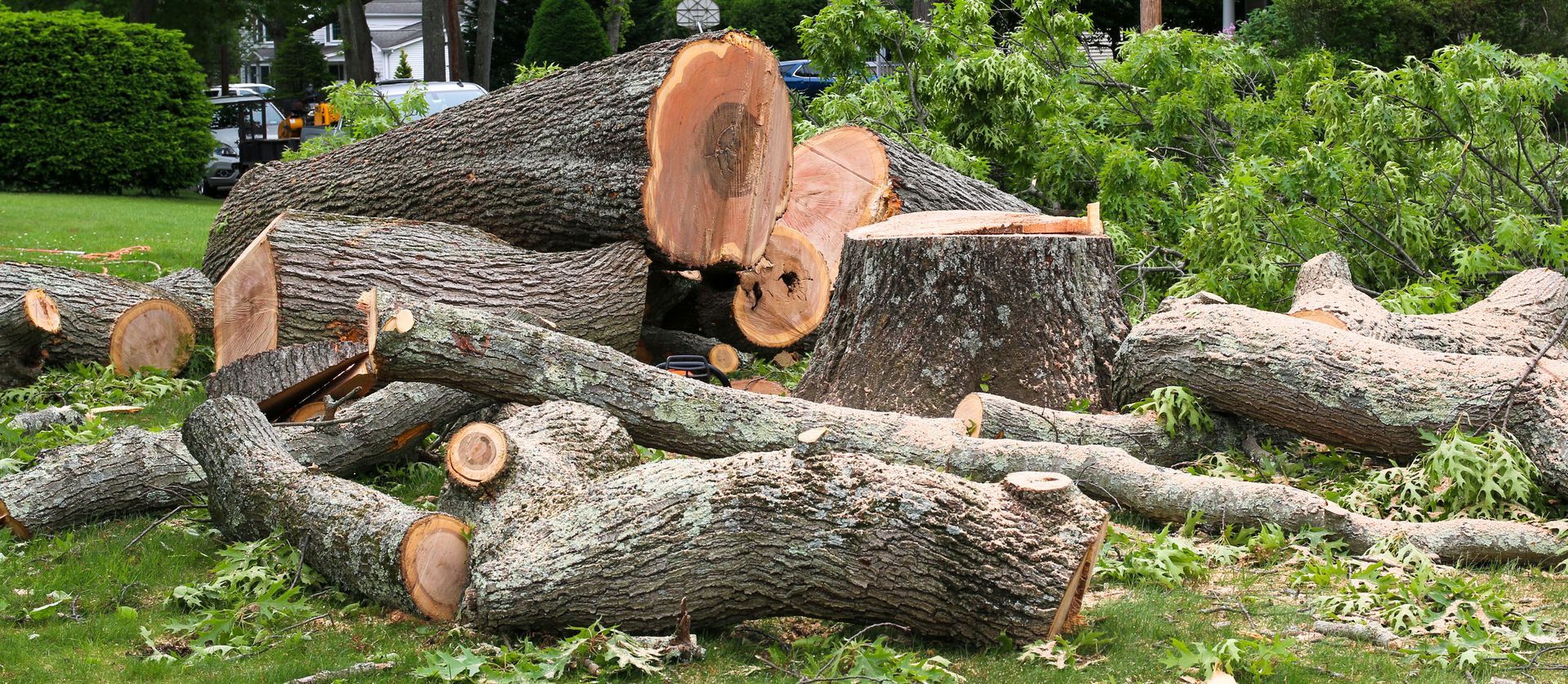
That said, fall is an excellent time to assess and remove hazardous trees before the first hard freeze. Removing a dead, dying, or structurally compromised tree before winter ice and snow add weight to weakened limbs can prevent serious property damage. Tree removal does not carry the same timing sensitivities as trimming and can be done any time safety demands it. Many homeowners schedule residential tree services in Yakima, WA, in fall specifically for hazard removal and site cleanup before winter.
When Emergency Removal Overrides the Seasonal Calendar
No season is off-limits when a tree becomes a safety hazard. Storms can bring heavy snow and ice in winter, and Yakima, WA's valley location can funnel strong winds that knock limbs loose or uproot shallow-rooted trees at any time. A tree leaning toward a structure, showing large trunk cracks, or dropping limbs poses a year-round risk that cannot wait for the ideal pruning window.
Does Yakima Require Permits for Residential Tree Removal?
Homeowners generally do not need a permit to remove trees on private residential property in Yakima, WA, unless the tree is in a critical area, a historic district, or on public property. When in doubt, check with the City of Yakima Planning Division before removal.
Get Year-Round Tree Care Serving Yakima, WA
Working with a residential tree services team that knows climate makes the difference between a healthy, well-structured tree and one that struggles season after season. Trickinnex Tree Trimming & Falling LLC provides trimming, removal, stump grinding, and tree falling services. Whether you need dormant-season trimming or emergency hazard removal, the team is ready to help. Request a free estimate or call (509) 945-4389 to schedule. You can also find and review the business at Trickinnex Tree Trimming & Falling LLC.